
-
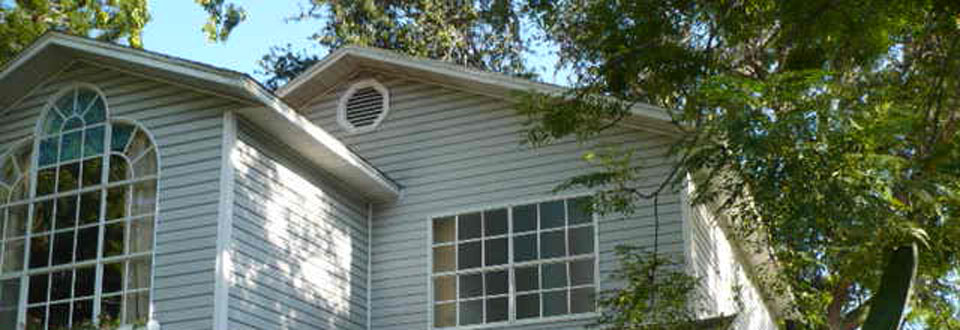
FREE Four-Point & Wind Mitigation Inspections With Home Inspection!
You could save even MORE on your insurance premiums with these two valuable add-ons! And ACS Inspections provides them for FREE with every home inspection we perform!
Get a Quote -
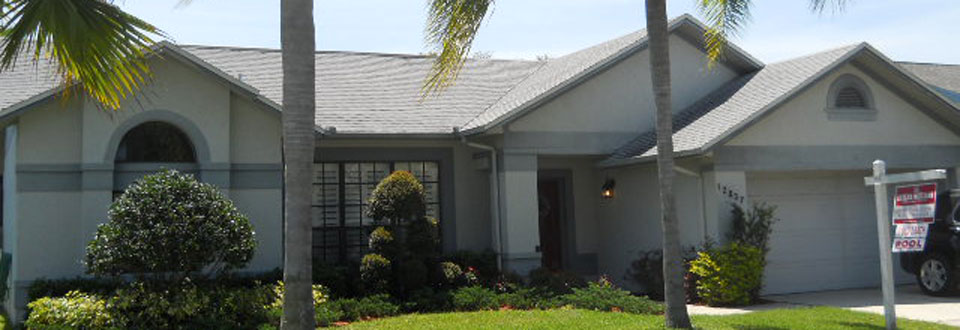
Lutz Home Inspection Client Saved $5000!
“I can’t believe the other home inspector missed so much. It was a great decision to have you do another one for me. I was able to negotiate the sellers price down by $5000. I would recommend ACS Inspections to anyone.” – Michael, Lutz,...
Get a Quote -
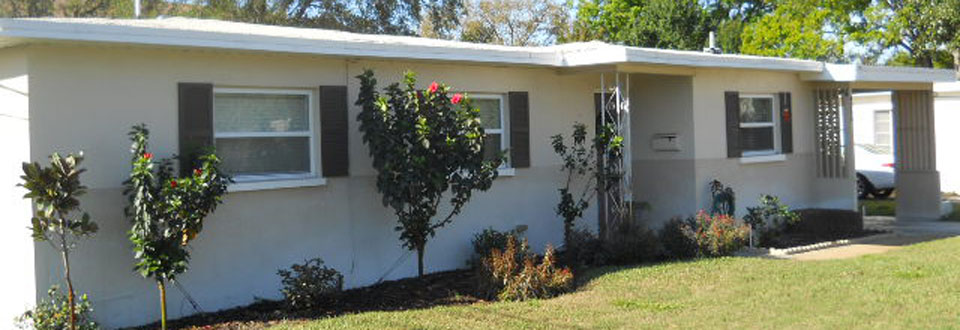
St. Pete Home Inspection Client Saved $2000/Year!
“It had been two weeks since I turned my wind mitigation inspection in to USAA when I looked in my pile of mail and saw a letter stating that my policy was being reduced by over $2000 per year!” –Dorothy, St. Petersburg,...
Get a Quote -
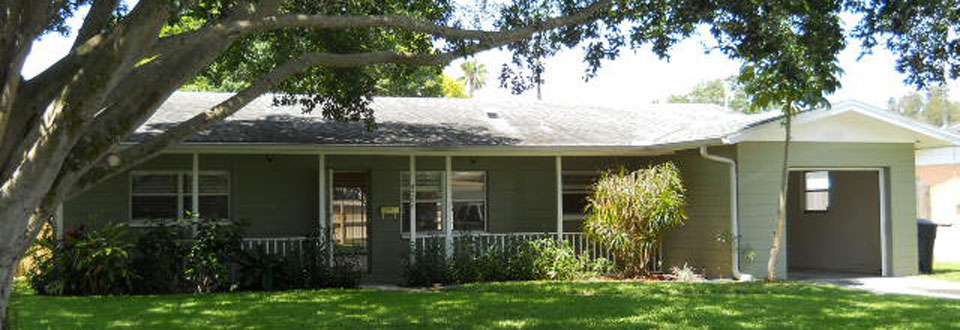
Pinellas Home Inspection Client Saved $2230/Year!
“This is incredible! I had my insurance agent re-quote my policy, and because I got a four-point and a wind mitigation inspection, my policy premium went from $3600 per year to $1370 per year.” – Mark, St. Petersburg, FL
Get a Quote
Asper Inspections Services
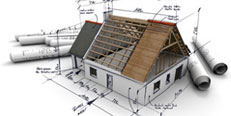
Asper Inspections offers Home Inspections, Four-Point Inspections and Wind Mitigation Inspections throughout the Tampa Bay area. Not sure which type of inspection you need? Let us tell you exactly what each of our inspections covers and what it can do for you. READ MORE
About Jeff McGill

Jeff McGill is the owner of Asper Inspections and our lead inspector as well. Find out more about Jeff McGill’s background, and learn more about Asper Inspections and the whole Asper Construction Services family of companies and how we can help you from start to finish. READ MORE
Asper Inspections Reviews
At Asper Inspections, we have a lot of happy customers whom we’ve helped saved thousands and thousands of dollars on their insurance premiums. Read some additional Asper Inspections reviews here, and find out why you very well might be our next happy customer. READ MORE